



Small Soap Machines FAQ
Industrial Soap Making Machines - FAQ
What is a complete soap production line ?
A complete soap production line includes all the machines required to transform raw materials into finished soap bars. This typically includes a mixer, refiner, vacuum plodder (soap extruder), cutter, press (stamping machine) and packaging equipment. A turnkey soap plant ensures continuous and efficient production for medium to large-scale manufacturers.
A complete soap production line includes all the machines required to transform raw materials into finished soap bars. This typically includes a mixer, refiner, vacuum plodder (soap extruder), cutter, press (stamping machine) and packaging equipment. A turnkey soap plant ensures continuous and efficient production for medium to large-scale manufacturers.
What production capacity can your soap machines handle ?
Our industrial soap making machines are designed for medium and large-scale production, with capacities ranging from artisan-level output up to several tons per day. The final capacity depends on machine configuration, automation level and product type.
What type of soap can be produced with your machines ?
Our soap manufacturing equipment can produce toilet soap, laundry soap, hotel soap, medicinal soap, transparent soap and custom shaped soap bars. Different formulations, fragrances and additives can be processed depending on customer requirements.
What raw materials are required for industrial soap production ?
Industrial soap production typically requires soap noodles or fatty acids, fragrances, colorants, additives and packaging materials. Our technical team can assist in defining the correct formulation based on the desired final product.
What is a soap extruder ?
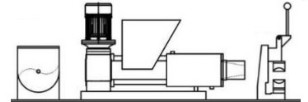
A soap extruder, also known as a vacuum plodder, is a machine that compresses and extrudes refined soap through a die to form a continuous soap bar. The extrusion process removes air, improves soap density and ensures uniform shape and structure before cutting.
What is a soap press ?
A soap press (soap stamping machine) is used to shape and emboss individual soap bars after cutting. The press gives the final shape, smooth surface and brand logo impression, ensuring a professional and market-ready product.
What is a soap cutter ?
A soap cutter is a machine that cuts the continuous extruded soap bar into individual billets of precise weight and length. Accurate cutting ensures consistency before the soap bars are transferred to the press for stamping.
What is the difference between a single stage and a double stage vacuum plodder ?
A single stage vacuum plodder is suitable for standard soap production, while a double stage vacuum plodder ensures better refining, improved air removal and higher soap density. Double stage systems are recommended for high-quality toilet soap and premium products.
Why is vacuum important in soap extrusion ?
The vacuum system removes trapped air from the soap mass during extrusion. This improves density, surface finish, structural integrity and stamping quality of the final soap bar.
What is the average moisture content of finished soap bars ?
The typical moisture content of finished soap bars ranges between 10% and 16%, depending on formulation and production process. Proper moisture control ensures optimal hardness and durability.
Can your soap production line handle different soap
shapes and sizes ?
Yes, our machines can be configured with interchangeable dies and molds to produce various shapes, weights and dimensions according to market requirements.
Yes, our machines can be configured with interchangeable dies and molds to produce various shapes, weights and dimensions according to market requirements.
What level of automation is available in your soap plants ?
We offer manual, semi-automatic and fully automatic soap production lines. Automation level depends on production capacity, labor availability and investment budget.
What utilities are required for a soap manufacturing plant?
A soap factory typically requires:
- Electrical power supply
- Compressed air
- Adequate production space
What is the lifespan of industrial soap making machines ?
With proper maintenance, industrial soap machinery can operate efficiently for decades. We design machines for durability and long-term performance.
What types of machines are used to produce soap bars ?
There are various types of soap machines, including fully automatic, semi-automatic, and manual models. They can produce different soap forms such as bar soap, liquid soap, glycerin soap, or specialty soap like medicated or herbal varieties.
What is the difference between an automatic and a semi-automatic soap machine ?
Automatic machines handle the entire production process, from mixing to molding, with minimal human intervention. Semi-automatic machines require manual input for certain steps, such as pouring or cutting, offering more flexibility but lower speed.
What are the production capacities and sizes of soap machines ?
Soap machines vary widely in capacity, from small tabletop units producing a few kilograms per hour to industrial machines capable of producing hundreds of kilograms daily. Choose based on your production needs and available space.
What types of soap can the soap machine produce ?
Most soap machines are versatile and can produce solid bar soap, shampoo bars or glycerin soap. Some specialized machines can also handle medicated or herbal formulations.
Which materials and ingredients are compatible with soap machines ?
Soap machines are compatible with a variety of ingredients, including natural oils, lye, glycerin, fragrances, colorants, and additives. Always check the machine’s specifications to ensure compatibility with your formulas.
How much does a soap machine cost and what payment options are available ?
Prices vary depending on the type, size, and capacity of the machine. Options range from small, affordable units to high-capacity industrial machines. Payment terms can include full payment, installments, or financing—contact us for a personalized quote.
What space and electrical
requirements are needed to install a soap machine ?
Installation depends on the machine size. Small
units require minimal space and standard electrical supply, while industrial
machines may need dedicated areas, proper ventilation, and higher voltage
connections. Detailed requirements are provided with each machine.Does the machine require special maintenance or spare parts ?
Regular maintenance is recommended to ensure optimal performance. This includes cleaning, lubrication, and occasional replacement of wear parts. Spare parts are available, and our support team can guide you on maintenance schedules.
How long does it take to produce a batch of soap ?
Production time depends on the machine type and soap formulation. Small machines may take 30–60 minutes per batch, while industrial machines can process multiple batches simultaneously, drastically reducing production time.